Archive for category Privacy
NSTIC Identity Ecosystem Marketplace Roles and Concepts
This post is a follow-up to our April 15, 2011 whitepaper and accompanying presentation.
NSTIC envisions a secure “Identity Ecosystem Framework,” or “the overarching set of interoperability standards, risk models, privacy and liability policies, requirements and accountability mechanisms that structure the Identity Ecosystem.” While the Identity Ecosystem will provide value to any participant which needs to verify a User’s identity, the Ecosystem will provide tremendous opportunities to streamline the further commoditization of human identity. Without regulation, the NSTIC Identity Ecosystem will create new markets for businesses which thrive on the commoditization of human identity. I identify this resulting market as the “Identity Ecosystem Marketplace.” An Identity Marketplace already exists, and has been admirably illustrated by Luma Partners, LLC and Improve Digital.
The Identity Ecosystem Marketplace includes at least six major roles, as illustrated here. A single organization may fill multiple roles in any given Identity Ecosystem transaction. Some of the definitions here may differ or even conflict with official NSTIC definitions, usually because the official definitions lack clarity within the context of this analysis.
NSTIC as a National ID
Are you thinking about setting up your own business? If the answer is yes, you’re not alone. The pandemic may have laid waste to great swathes of industry, but it’s fueled an extraordinary surge in startups and new small businesses, as those laid off from affected firms explore new opportunities.
Reports from the U.S., Japan and across Europe show record-breaking levels of business registrations. [1] For example, figures from the U.S. Census Bureau show that new business registrations in July 2020 were 95 percent higher than during the same period in 2019. [2]
But what does it take to be a successful entrepreneur? Whether you’ve seen an exciting gap in the market, or feel forced to reassess your career following job loss, this article explores the skills you need to make it as an entrepreneur. It also signposts resources that you can use to develop the skills required for success.
What Are Entrepreneurial Skills?
Entrepreneurial skills are those normally associated with being an entrepreneur, although anyone can develop them, visit website.
Being an entrepreneur usually means starting and building your own successful business, but people with entrepreneurial skills can thrive within larger organizations, too.
Many researchers have studied entrepreneurial skills, but found no definitive answers. Some common themes are:
Personal characteristics.
Interpersonal skills.
Critical and creative-thinking skills.
Practical skills and knowledge.
Regardless of how you define it, entrepreneurship isn’t easy. So be prepared to do the “hard yards,” even after you’ve learned the skills we describe below.
The following sections examine each skill area in more detail, and look at some of the questions you’ll need to ask yourself if you want to become a successful entrepreneur.
The Personal Characteristics of an Entrepreneur
Do you have the mindset to be a successful entrepreneur? For example, entrepreneurs tend to be strongly innovative in outlook, and they may take risks that others would avoid.
Examine your own personal characteristics, values and beliefs, and ask yourself these questions:
Optimism: Are you an optimistic thinker? Optimism is an asset, and it will help you through the tough times that many entrepreneurs experience as they find a business model that works for them.
Initiative: Do you have initiative, and instinctively start problem-solving or business-improvement projects?
Drive and persistence: Are you self-motivated and energetic? And are you prepared to work hard, for a very long time, to realize your goals?
Risk tolerance: Are you able to take risks, and make decisions when facts are uncertain?
Resilience: Are you resilient, so that you can pick yourself up when things don’t go as planned? And do you learn and grow from your mistakes and failures? (If you avoid taking action because you’re afraid of failing, our article, Overcoming Fear of Failure, can help you to face your fears and move forward.)
Entrepreneurial Interpersonal Skills
As an entrepreneur, you’ll likely have to work closely with others – so it’s essential that you’re able to build good relationships with your team, customers, suppliers, shareholders, investors, and other stakeholders.
Some people are more gifted in this area than others, but you can learn and improve these skills.
Why I Support Jeremy Grant, and Hope NIST Will Too
Exercise: 7 benefits of regular physical activity
You know exercise is good for you, but do you know how good? From boosting your mood to improving your sex life, find out how exercise can improve your life. Try out protetox weight loss.
By Mayo Clinic Staff
Want to feel better, have more energy and even add years to your life? Just exercise.
The health benefits of regular exercise and physical activity are hard to ignore. Everyone benefits from exercise, regardless of age, sex or physical ability.
Need more convincing to get moving? Check out these seven ways that exercise can lead to a happier, healthier you.
1. Exercise controls weight
Exercise can help prevent excess weight gain or help maintain weight loss. When you engage in physical activity, you burn calories. The more intense the activity, the more calories you burn.Check out these amarose skin tag remover reviews.
Regular trips to the gym are great, but don’t worry if you can’t find a large chunk of time to exercise every day. Any amount of activity is better than none at all. To reap the benefits of exercise, just get more active throughout your day — take the stairs instead of the elevator or rev up your household chores. Consistency is key.
2. Exercise combats health conditions and diseases
Worried about heart disease? Hoping to prevent high blood pressure? No matter what your current weight is, being active boosts high-density lipoprotein (HDL) cholesterol, the “good” cholesterol, and it decreases unhealthy triglycerides. This one-two punch keeps your blood flowing smoothly, which decreases your risk of cardiovascular diseases.
Regular exercise helps prevent or manage many health problems and concerns, including:
Stroke
Metabolic syndrome
High blood pressure
Type 2 diabetes
Depression
Anxiety
Many types of cancer
Arthritis
Falls
It can also help improve cognitive function and helps lower the risk of death from all causes.
3. Exercise improves mood
Need an emotional lift? Or need to destress after a stressful day? A gym session or brisk walk can help. Physical activity stimulates various brain chemicals that may leave you feeling happier, more relaxed and less anxious.
You may also feel better about your appearance and yourself when you exercise regularly, which can boost your confidence and improve your self-esteem. Visit https://www.firstpost.com/health/protetox-reviews-a-legitimate-weight-loss-pill-or-scam-11186701.html.
4. Exercise boosts energy
Winded by grocery shopping or household chores? Regular physical activity can improve your muscle strength and boost your endurance.
Exercise delivers oxygen and nutrients to your tissues and helps your cardiovascular system work more efficiently. And when your heart and lung health improve, you have more energy to tackle daily chores.
5. Exercise promotes better sleep
Struggling to snooze? Regular physical activity can help you fall asleep faster, get better sleep and deepen your sleep. Just don’t exercise too close to bedtime, or you may be too energized to go to sleep.
6. Exercise puts the spark back into your sex life
Do you feel too tired or too out of shape to enjoy physical intimacy? Regular physical activity can improve energy levels and increase your confidence about your physical appearance, which may boost your sex life.
But there’s even more to it than that. Regular physical activity may enhance arousal for women. And men who exercise regularly are less likely to have problems with erectile dysfunction than are men who don’t exercise.
7. Exercise can be fun … and social!
Exercise and physical activity can be enjoyable. They give you a chance to unwind, enjoy the outdoors or simply engage in activities that make you happy. Physical activity can also help you connect with family or friends in a fun social setting.
So take a dance class, hit the hiking trails or join a soccer team. Find a physical activity you enjoy, and just do it. Bored? Try something new, or do something with friends or family.
The bottom line on exercise
Healthy privacy
Exercise: 7 benefits of regular physical activity
You know exercise is good for you, but do you know how good? From boosting your mood to improving your sex life, find out how exercise can improve your life.
By Mayo Clinic Staff
Want to feel better, have more energy and even add years to your life? Just exercise.
The health benefits of regular exercise and physical activity are hard to ignore. Everyone benefits from exercise, regardless of age, sex or physical ability.
Need more convincing to get moving? Check out these seven ways that exercise can lead to a happier, healthier you.
1. Exercise controls weight
Exercise can help prevent excess weight gain or help maintain weight loss. When you engage in physical activity, you burn calories. The more intense the activity, the more calories you burn.
Regular trips to the gym are great, but don’t worry if you can’t find a large chunk of time to exercise every day. Any amount of activity is better than none at all. To reap the benefits of exercise, just get more active throughout your day — take the stairs instead of the elevator or rev up your household chores. Consistency is key.
2. Exercise combats health conditions and diseases
Worried about heart disease? Hoping to prevent high blood pressure? No matter what your current weight is, being active boosts high-density lipoprotein (HDL) cholesterol, the “good” cholesterol, and it decreases unhealthy triglycerides. This one-two punch keeps your blood flowing smoothly, which decreases your risk of cardiovascular diseases.
Regular exercise helps prevent or manage many health problems and concerns, including:
Stroke
Metabolic syndrome
High blood pressure
Type 2 diabetes
Depression
Anxiety
Many types of cancer
Arthritis
Falls
It can also help improve cognitive function and helps lower the risk of death from all causes.
3. Exercise improves mood
Need an emotional lift? Or need to destress after a stressful day? A gym session or brisk walk can help. Physical activity stimulates various brain chemicals that may leave you feeling happier, more relaxed and less anxious.
You may also feel better about your appearance and yourself when you exercise regularly, which can boost your confidence and improve your self-esteem. This is the best penis extender.
4. Exercise boosts energy
Winded by grocery shopping or household chores? Regular physical activity can improve your muscle strength and boost your endurance.
Exercise delivers oxygen and nutrients to your tissues and helps your cardiovascular system work more efficiently. And when your heart and lung health improve, you have more energy to tackle daily chores.
5. Exercise promotes better sleep
Struggling to snooze? Regular physical activity can help you fall asleep faster, get better sleep and deepen your sleep. Just don’t exercise too close to bedtime, or you may be too energized to go to sleep. Visit Observer.com/.
6. Exercise puts the spark back into your sex life
Do you feel too tired or too out of shape to enjoy physical intimacy? Regular physical activity can improve energy levels and increase your confidence about your physical appearance, which may boost your sex life.
But there’s even more to it than that. Regular physical activity may enhance arousal for women. And men who exercise regularly are less likely to have problems with erectile dysfunction than are men who don’t exercise.
7. Exercise can be fun … and social!
Exercise and physical activity can be enjoyable. They give you a chance to unwind, enjoy the outdoors or simply engage in activities that make you happy. Physical activity can also help you connect with family or friends in a fun social setting.
So take a dance class, hit the hiking trails or join a soccer team. Find a physical activity you enjoy, and just do it. Bored? Try something new, or do something with friends or family.
The bottom line on exercise
7 Sources of Data Breaches You’ll Never Hear About: Your Network Drives
Posted by Titus in Data Breaches on April 5, 2011
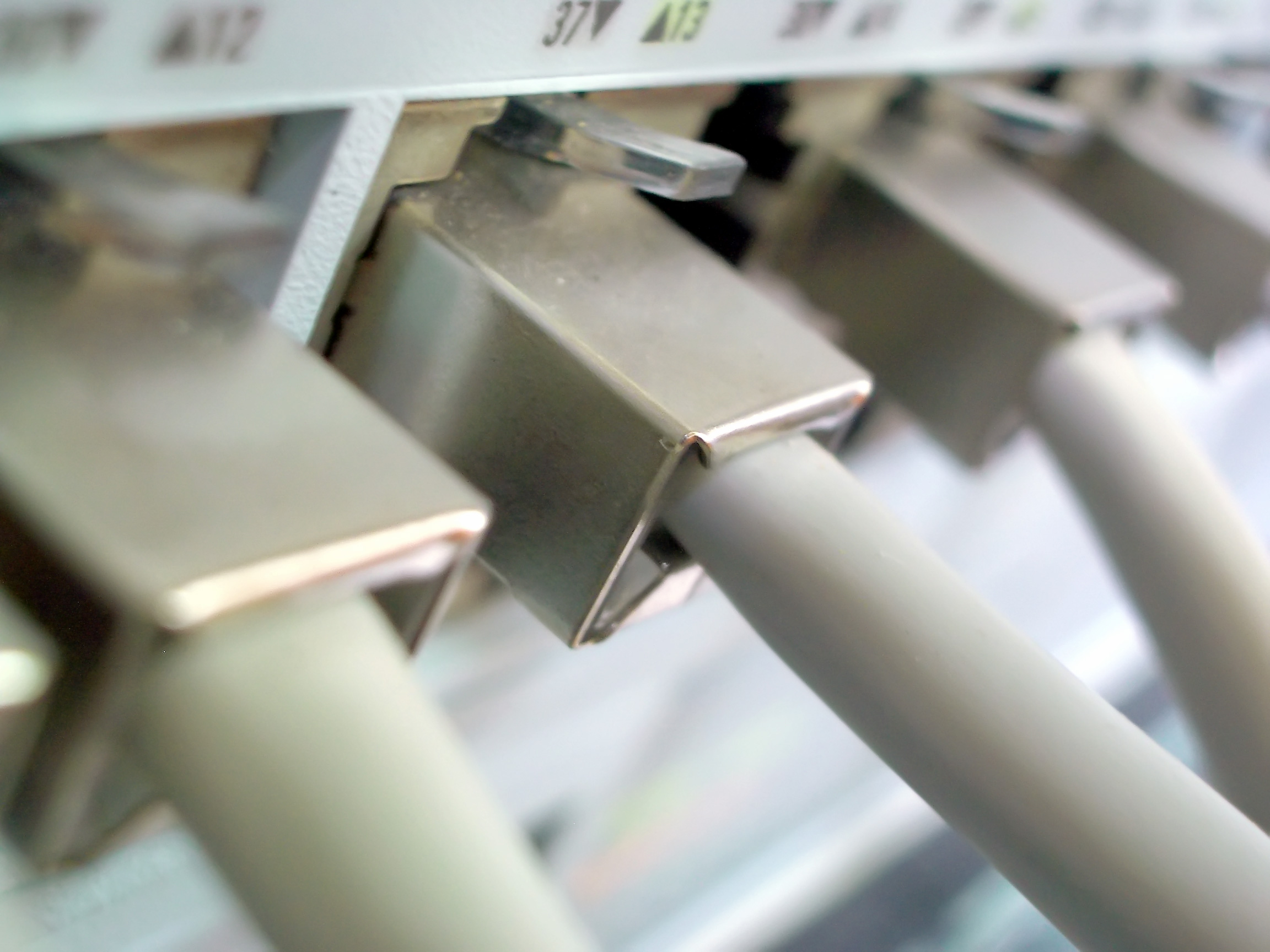
If you think that the tangle of Cat5 in your server room is a mess, wait until you look at your network drive file structure. Licensed from Stock Exchange.
This is the seventh post in a series about data breaches you can prevent. We’ve covered Phones and Personal Computing Devices , Your Browser, Your Inbox, Your Thumb and External Drives, Your Old Computer, and Your Cloud Backup . Finally, we’ll discuss Your Network Drives.
Most companies have an internal corporate network with one or more shared network drives. If your company network drive is typical, it’s a layered mess of multiple naming conventions, files from employees who haven’t been around for years, and old documents with unrecognizable file extensions. Frankly, it’s impossible for anyone to know exactly what’s there.
Healthy lifestyle
Posted by Titus in Data Breaches on March 29, 2011
Has your gym temporarily closed down due to COVID-19 concerns? If you think you can’t get in a great workout because you don’t have all that fancy equipment at home, think again. Check out the latest exipure reviews.
Get the latest updates on COVID-19
Working out at home can be a great alternative to hitting the gym. It’s pretty ideal, in fact. Here’s why:
10 reasons working out at home rocks
Your bathroom and kitchen are nearby – no waiting and no need for shower shoes.
You don’t have to lock up your valuables while you’re working out.
There’s nobody around to make you feel self-conscious about how you look or how fit you are.
You don’t have to worry about parking.
You don’t have to take off your clothes in front of strangers.
No need to rush to fill up your water bottle before your class starts.
You don’t need to pack a gym bag and remember to pick it up on your way out the door for work.
You can hide out from too-hot, too-cold or too-rainy weather.
You get to pick the playlist.
It’s free – or close to it.
And you don’t need expensive equipment. Patty Wood, a certified personal trainer at Personally Fit in New Hamburg, Ontario, says you can get an amazing, full-body workout just by using your own body weight, right at home. She says getting fit wasn’t always easy for her, either.
“I was overweight and suffered from multiple running injuries,” she recalls. “It was through my own process of self-guided research, advice from a past client and a heathier lifestyle that I got where I am today.”
There are a ton of simple ways to get moving at home. Here are some tips and tricks to help you find a home workout, stick to it and get the best results:
1. Choose your at-home workout space
Designate a corner in your home as your workout spot. You really only need a space the size of a yoga mat to have a bunch of options for an effective and efficient workout.
It’s best to not exercise in the same place you watch TV or eat. This will help you focus and stay committed to your workout without:
thinking about the Netflix series you’re watching,
turning on your work computer or
checking your phone.
How to stay active when you’re working from home
2. Put on your gym clothes
Dress like you’re actually going to the gym. You’ll feel more like exercising when you’re wearing athletic clothes.
You might also find it helpful to put on your running shoes and do 15 minutes of house- or yard-work. It’s a great way to warm up and get a little extra energy before beginning your workout.
You may also want to invest in good, supportive running shoes. Taking care of your feet is extremely important. So do some research into what type of shoe you need to wear for your workout.
Wood says it’s also a good idea to reward yourself with new shoes or a new workout outfit once you reach a goal. That’s if your budget allows, of course.
3. Don’t worry about gym equipment
You likely don’t need that much equipment, if any at all.
“There are so many body-weight exercises,” says Wood. “A few of my favourites are planking, body-weight squats and push-ups. These three exercises involve many different muscle groups at the same time. They allow you to burn calories and build muscles with fewer exercises. It’s always important to have proper form to reduce the risk of injury. You can create your own circuit with these three exercises.”
If you do have basic equipment such as hand weights and a mat, you have numerous options. If you’re going to use weights, it’s a good idea to have two different sets so you can customize your workout.
If you don’t have hand weights and you want to add extra resistance, try soup cans or water bottles. Some other equipment you might find beneficial include resistance bands or a foam roller. They can help you to stretch your muscles before a workout and pamper them afterwards.
Are weights the key to weight loss?
4. Use your devices to get new workouts
Don’t think you can make up your own circuits? That’s okay. There are lots of routines out there, especially through apps, and many are free.
Try Fitplan: Gym & Home Workouts, GetFit: Home Workout & Fitness, or the Tone It Up app. They feature programs that guide you through daily workouts that you can do any place, any time – including at home. Most are free. Others have a free trial so you can see if you like them before committing to paying for them.
If you have a smart speaker, you can also use it to guide you through a home workout. Alexa can pull up five-minute workouts for you if you want to get in a blast of exercise in a short amount of time.
You can also try creating an energizing and free playlist on Spotify. Choose songs that pump you up, and occasionally swap out your playlist to keep things interesting.
6 ways smart speakers can help you manage your health
How wearables are changing the way we look after our health
5. Set realistic fitness goals
Start slowly, trust your strength and treat your body well. You don’t have to jump into it full-speed. Instead, commit to what you think is reasonable for your body and schedule what you can manage each week. Maybe three days a week will work to start. As you become more comfortable, start doing more.
Have you been at home or working from home due to the recent COVID-19 situation? Then you might want to consider other ways to stay active when you’re at from home. Try recording your times and reps and challenge yourself to improve them. Wood says this is a great way to keep track of your progress and encourage yourself to keep improving.
Do your best not to make excuses. “Make exercise part of your daily routine and schedule a workout time that works for you, whether you’re a morning or night-time person,” says Wood. Make it your own and do something you enjoy, and you should start to feel and see results.
Get in shape for life with functional fitness
How to start exercising with small steps
7 Sources of Data Breaches You’ll Never Hear About: Your Thumb Drive
Posted by Titus in Data Breaches on March 24, 2011
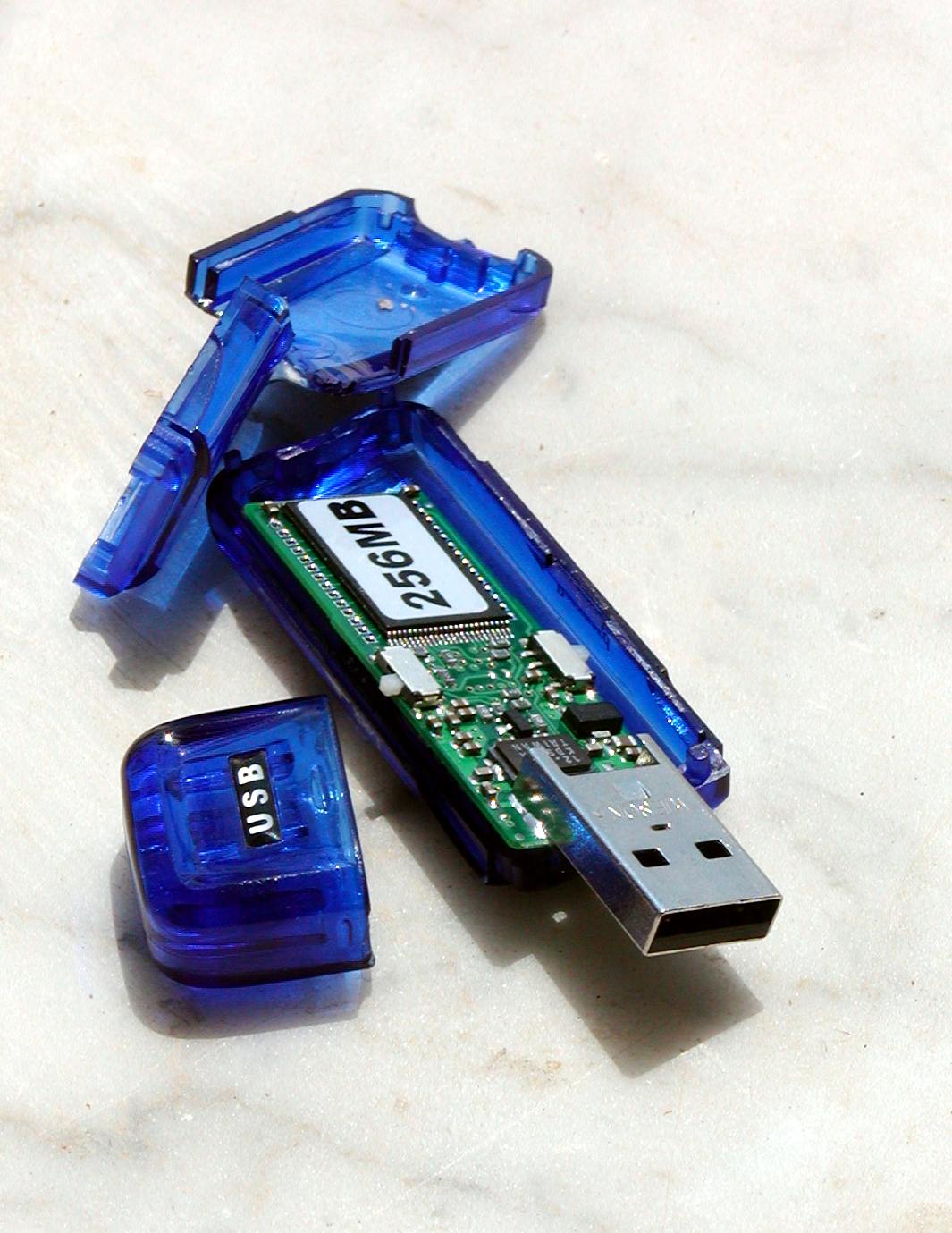
The Law of Portable Device Breaches says that the risk of losing a device, and the information thereon, is directly proportional to its portability. Licensed from Stock Exchange
This post is the fourth in a series about data breaches you can prevent. We’ve covered Phones and Personal Computing Devices , Your Browser, and Your Inbox. Here we’ll explore Your Thumb and External Drives.
Just about anything that can store information can be used to store sensitive personal information. Whether you use an external drive to back up sensitive data, or use a thumb drive to transfer large files from one computer to another. The Law of Portable Device Breaches (which I just made up) says that the risk of losing a device, and the information thereon, is directly proportional to its portability. In real terms, this extremely scientific law means that you’re more likely to leave your cell phone at the bar than your desktop computer.
7 Sources of healthy lifestyle
Posted by Titus in Data Breaches on March 17, 2011
Has your gym temporarily closed down due to COVID-19 concerns? If you think you can’t get in a great workout because you don’t have all that fancy equipment at home, think again. Check out the latest exipure reviews.
Get the latest updates on COVID-19
Working out at home can be a great alternative to hitting the gym. It’s pretty ideal, in fact. Here’s why:
10 reasons working out at home rocks
Your bathroom and kitchen are nearby – no waiting and no need for shower shoes.
You don’t have to lock up your valuables while you’re working out.
There’s nobody around to make you feel self-conscious about how you look or how fit you are.
You don’t have to worry about parking.
You don’t have to take off your clothes in front of strangers.
No need to rush to fill up your water bottle before your class starts.
You don’t need to pack a gym bag and remember to pick it up on your way out the door for work.
You can hide out from too-hot, too-cold or too-rainy weather.
You get to pick the playlist.
It’s free – or close to it.
And you don’t need expensive equipment. Patty Wood, a certified personal trainer at Personally Fit in New Hamburg, Ontario, says you can get an amazing, full-body workout just by using your own body weight, right at home. She says getting fit wasn’t always easy for her, either.
“I was overweight and suffered from multiple running injuries,” she recalls. “It was through my own process of self-guided research, advice from a past client and a heathier lifestyle that I got where I am today.”
There are a ton of simple ways to get moving at home. Here are some tips and tricks to help you find a home workout, stick to it and get the best results:
1. Choose your at-home workout space
Designate a corner in your home as your workout spot. You really only need a space the size of a yoga mat to have a bunch of options for an effective and efficient workout.
It’s best to not exercise in the same place you watch TV or eat. This will help you focus and stay committed to your workout without:
thinking about the Netflix series you’re watching,
turning on your work computer or
checking your phone.
How to stay active when you’re working from home
2. Put on your gym clothes
Dress like you’re actually going to the gym. You’ll feel more like exercising when you’re wearing athletic clothes.
You might also find it helpful to put on your running shoes and do 15 minutes of house- or yard-work. It’s a great way to warm up and get a little extra energy before beginning your workout.
You may also want to invest in good, supportive running shoes. Taking care of your feet is extremely important. So do some research into what type of shoe you need to wear for your workout.
Wood says it’s also a good idea to reward yourself with new shoes or a new workout outfit once you reach a goal. That’s if your budget allows, of course.
3. Don’t worry about gym equipment
You likely don’t need that much equipment, if any at all.
“There are so many body-weight exercises,” says Wood. “A few of my favourites are planking, body-weight squats and push-ups. These three exercises involve many different muscle groups at the same time. They allow you to burn calories and build muscles with fewer exercises. It’s always important to have proper form to reduce the risk of injury. You can create your own circuit with these three exercises.”
If you do have basic equipment such as hand weights and a mat, you have numerous options. If you’re going to use weights, it’s a good idea to have two different sets so you can customize your workout.
If you don’t have hand weights and you want to add extra resistance, try soup cans or water bottles. Some other equipment you might find beneficial include resistance bands or a foam roller. They can help you to stretch your muscles before a workout and pamper them afterwards.
Are weights the key to weight loss?
4. Use your devices to get new workouts
Don’t think you can make up your own circuits? That’s okay. There are lots of routines out there, especially through apps, and many are free.
Try Fitplan: Gym & Home Workouts, GetFit: Home Workout & Fitness, or the Tone It Up app. They feature programs that guide you through daily workouts that you can do any place, any time – including at home. Most are free. Others have a free trial so you can see if you like them before committing to paying for them.
If you have a smart speaker, you can also use it to guide you through a home workout. Alexa can pull up five-minute workouts for you if you want to get in a blast of exercise in a short amount of time.
You can also try creating an energizing and free playlist on Spotify. Choose songs that pump you up, and occasionally swap out your playlist to keep things interesting.
6 ways smart speakers can help you manage your health
How wearables are changing the way we look after our health
5. Set realistic fitness goals
Start slowly, trust your strength and treat your body well. You don’t have to jump into it full-speed. Instead, commit to what you think is reasonable for your body and schedule what you can manage each week. Maybe three days a week will work to start. As you become more comfortable, start doing more.
Have you been at home or working from home due to the recent COVID-19 situation? Then you might want to consider other ways to stay active when you’re at from home. Try recording your times and reps and challenge yourself to improve them. Wood says this is a great way to keep track of your progress and encourage yourself to keep improving.
Do your best not to make excuses. “Make exercise part of your daily routine and schedule a workout time that works for you, whether you’re a morning or night-time person,” says Wood. Make it your own and do something you enjoy, and you should start to feel and see results.
Get in shape for life with functional fitness
How to start exercising with small steps
7 Sources of Data Breaches You’ll Never Hear About: Your Phone
Posted by Titus in Data Breaches on March 15, 2011
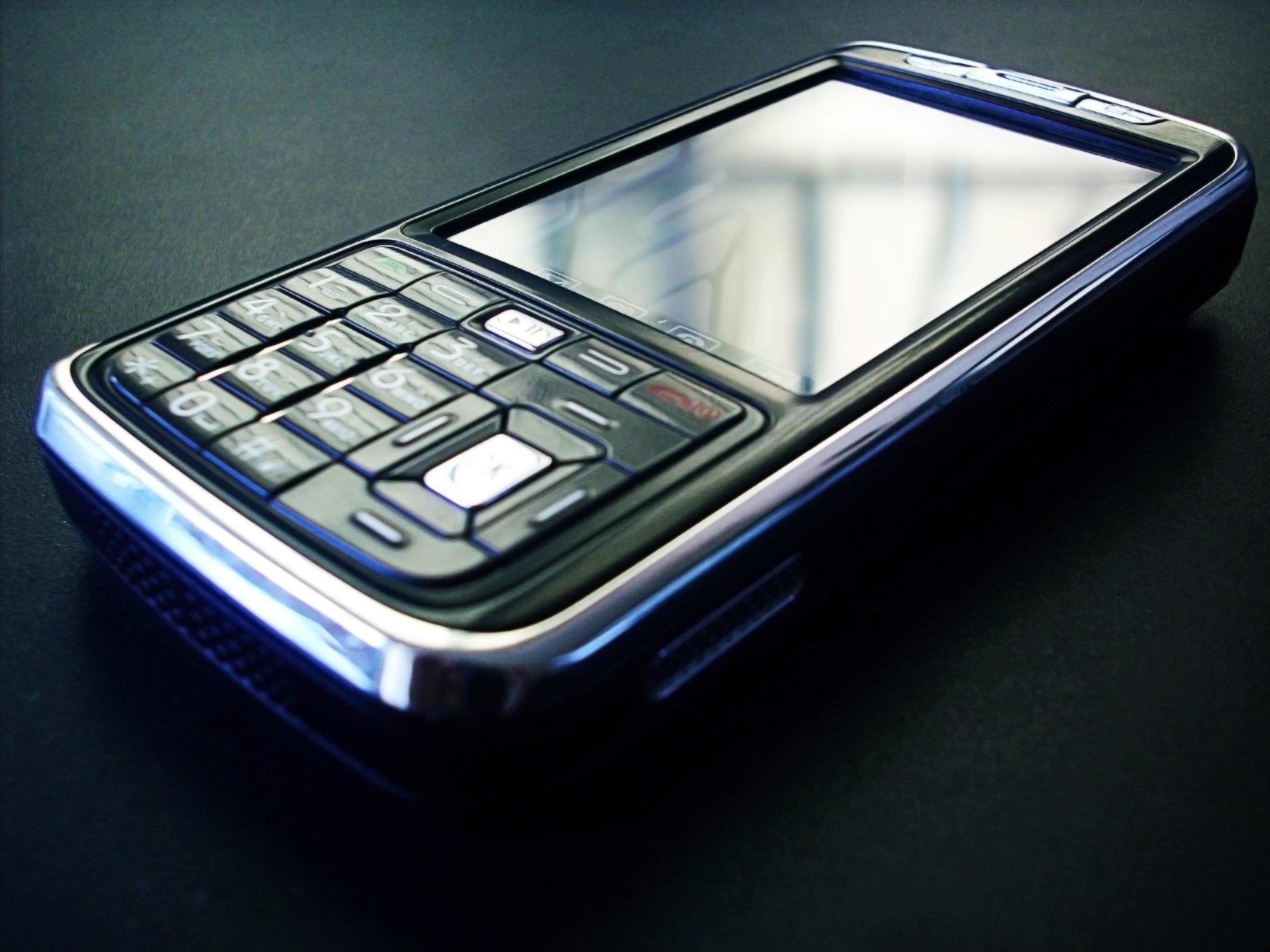
Smart phones are now portable computers which just happen to make calls. Licensed from Stock Exchange.
Remember when cell phones were telephones? Those days are long gone. The current generation of smart phones are powerful computing devices which just happen to also make phone calls.
A Message From Walgreens
Posted by Titus in Data Breaches on December 12, 2010
A friend of mine recently received the following email from Walgreens:
December 10, 2010
Dear Valued Customer,We recently became aware of unauthorized access to an email list of customers who receive special offers and newsletters from us. As a result, it is possible you may have received some spam email messages asking you to go to another site and enter personal data. We are sorry this has taken place and for any inconvenience to you.
Read the rest of this entry »